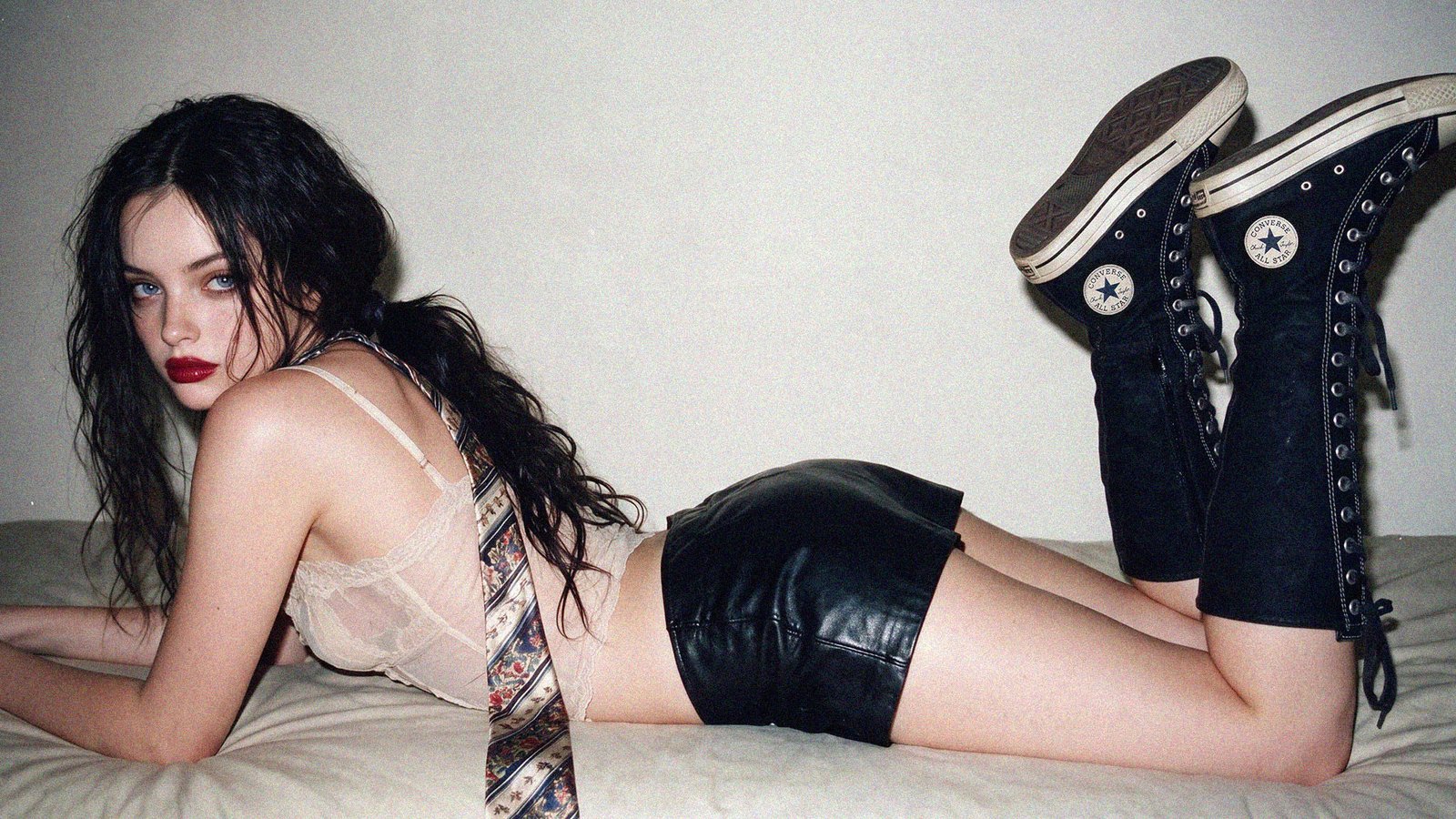
On a weekday you can find Lia on a train to San Francisco with a backpack full of sound design homework. Online you will find Dahlia River, low-voiced and heavy-lidded, looking at the camera like she already knows what you came for. They are the same girl. Nothing about the second one is invented. Dahlia River is what Lia looks like when she decides to be looked at.
The Name in Public
Dahlia River is the name on the records, and most of it was hers before any of this existed. Dahlia is her birth name. River is her hometown water. What the public name does is simple: it collects everything she chooses to put in front of people, the voice, the look, the songs, and it leaves everything else at home. Her classes, her job, her modeling work under another name, her family, all of it stays on the private side of the line. She has been keeping her lives in separate rooms since long before the band. The name is just the door.
The Face
Everything about Dahlia River in public starts at a mirror.
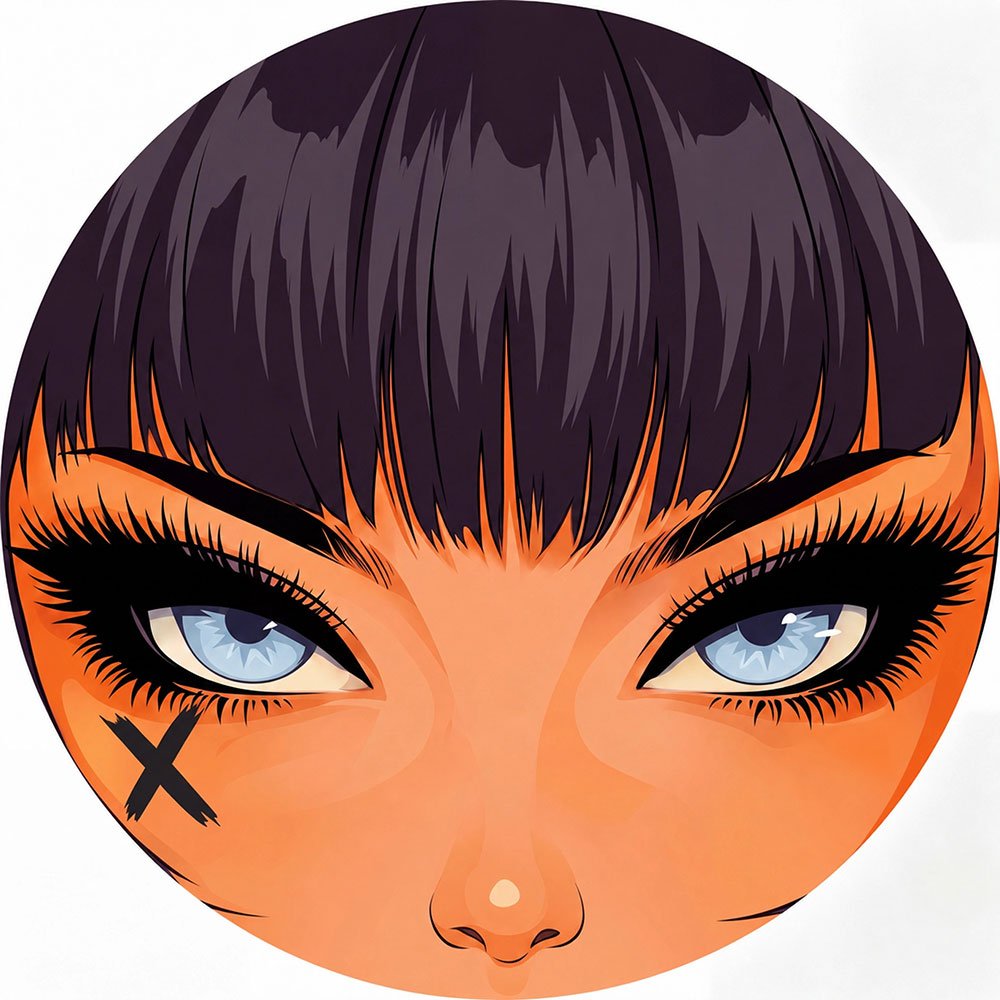
Lia does her makeup the way she mixes a track, in layers, with intent, until the face looking back is finished the way a song is finished. The full look is heavy and precise and takes real time, and when it is done, the girl in the mirror is Dahlia River. She has never once called it hiding. A mask you are forced to wear is hiding. A mask you build yourself, by hand, exactly to your own taste, is the opposite. It is authorship. She decides what the world sees down to the lash line, and the confidence you can feel through the camera is the confidence of someone who signed her own face.
That is the thing to understand about her persona. Where Asami's public self is composure, Dahlia's is dare. The photographs run darker, the songs run hotter, and none of that is a character being performed. Lia is the tough one, the oldest, the one with the edge. Dahlia River is that edge with the safety off.
The Voice Underneath
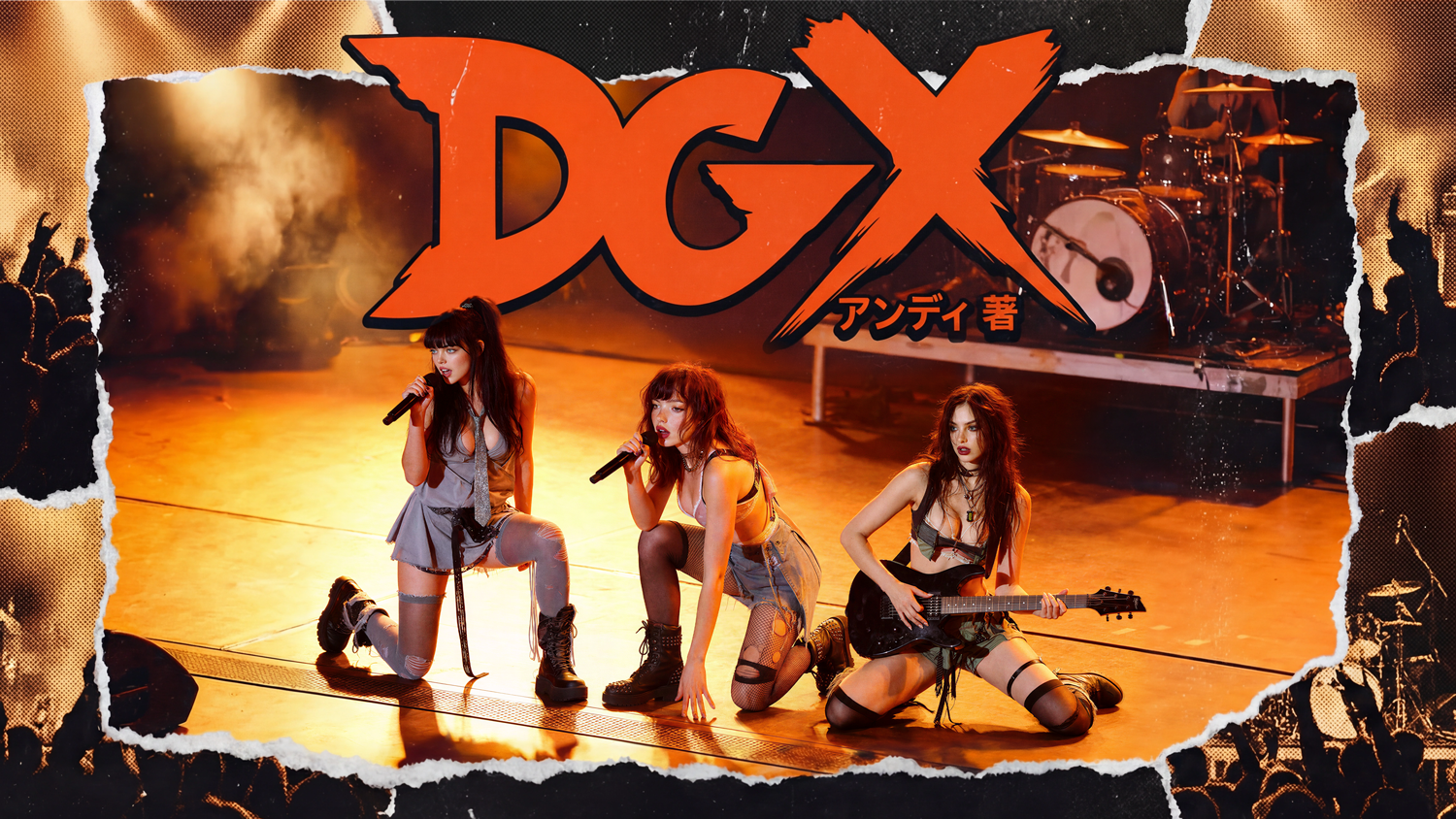
Her voice sits at the bottom of the group's sound, low and unhurried, with a rasp she has never tried to polish out. It is a voice built for the register her songs live in, want, trouble, the things people do knowing better, and she sings that material without flinching because it comes from somewhere real. The persona gives her a place to put the parts of herself that do not fit at a family dinner or a modeling call. Plenty of artists have a version of this. Hers just happens to be honest about what it is.
There is craft under all of it too, more than most listeners will ever clock. Lia produces. She sound-designs. She understands the technical bones of every track she is on, and she brings the same hands-on control to her own presence, the visuals, the sound, the pacing of what gets shown and when. Dahlia River is not a product someone made out of her. She is a production Lia runs herself.
The First Doll
If you have spent time on this site, you know the word Dolls carries weight here, and the weight starts with her. A girl already nicknamed Dolly, painting her face into something almost manufactured and enjoying the power of it, is where the whole idea began. In the story world this label built, that idea grew into something much bigger and much darker, and her name walks through those pages in ways the fiction gets to explain for itself. Out here in the real world, the meaning is simpler and it is hers: the doll is not something that gets played with. The doll is something she makes.
One girl, both rooms. The one on the train with the homework, and the one looking down the lens. Lia built Dahlia River out of her own name, her own face, and her own hands, and the only thing that separates them is which one she lets you see.