
Why Virtual Band Were Always Real
(And Why They Are Finally Everywhere)
The idea of a virtual band is often treated like something new.
A product of AI. A by-product of algorithms. A trend waiting to fade.
None of that is true.
Virtual bands, performers and fictional singers have existed for decades, not as novelties, but as deliberate creative experiments. The idea never needed validation. What it lacked was access. Large studios could afford to build worlds. Independent creators could not. That gap is closing.
To understand where projects like DangerGirlx come from, you have to look backward before you look forward. The lineage matters more than the tools.
Sharon Apple and the Birth of the Virtual Singer
In Macross Plus, Sharon Apple is beyond a performer inside a story.
She is the thesis.
Sharon Apple exists as a fully virtual idol within the Macross universe. She has no physical body and no human presence on stage. Her concerts are immersive and emotionally overwhelming. The audience inside the story never questions her nature. They respond to her voice, her presence, and the way she makes them feel.
That response is the point.
Behind Sharon Apple were real creators. Her singing voice was performed by Mai Yamane. Her speaking voice came from Akiko Yajima. The music and conceptual backbone were shaped by Yoko Kanno.
Sharon Apple was never meant to obscure authorship. She was built to separate expression from embodiment. Inside the story, she represents emotional amplification pushed too far. Outside the story, she became something else entirely. A fictional singer who felt real. Music that stood on its own without a visible performer. A reminder that technology could extend emotion rather than flatten it.
She worked because she was never pretending to be human. She was designed to carry more than one voice at once.
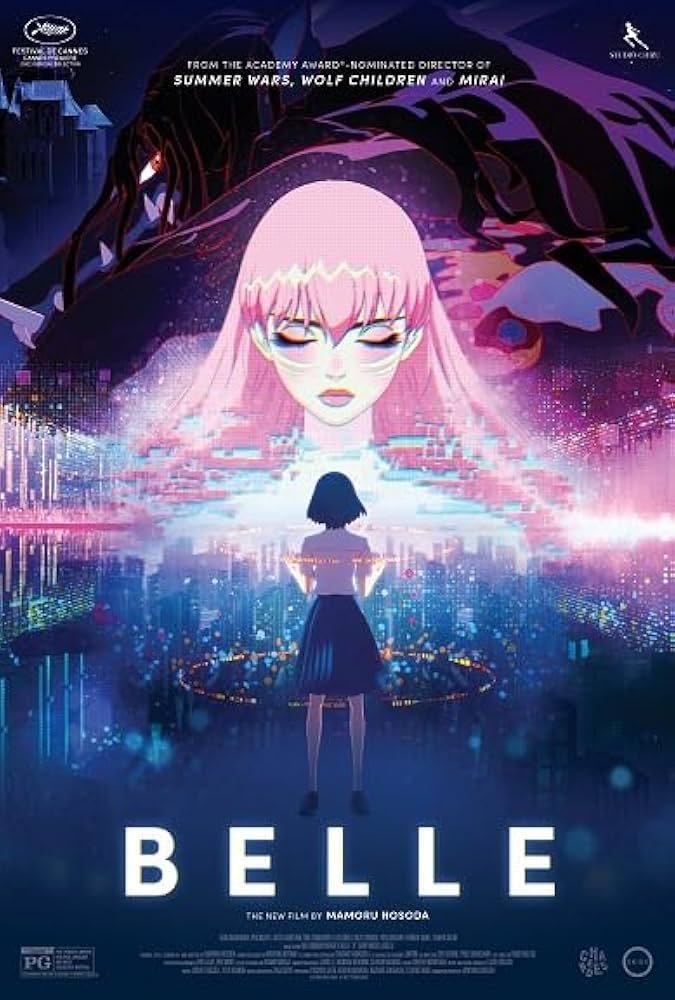
Belle and the Mask That Speaks Honestly
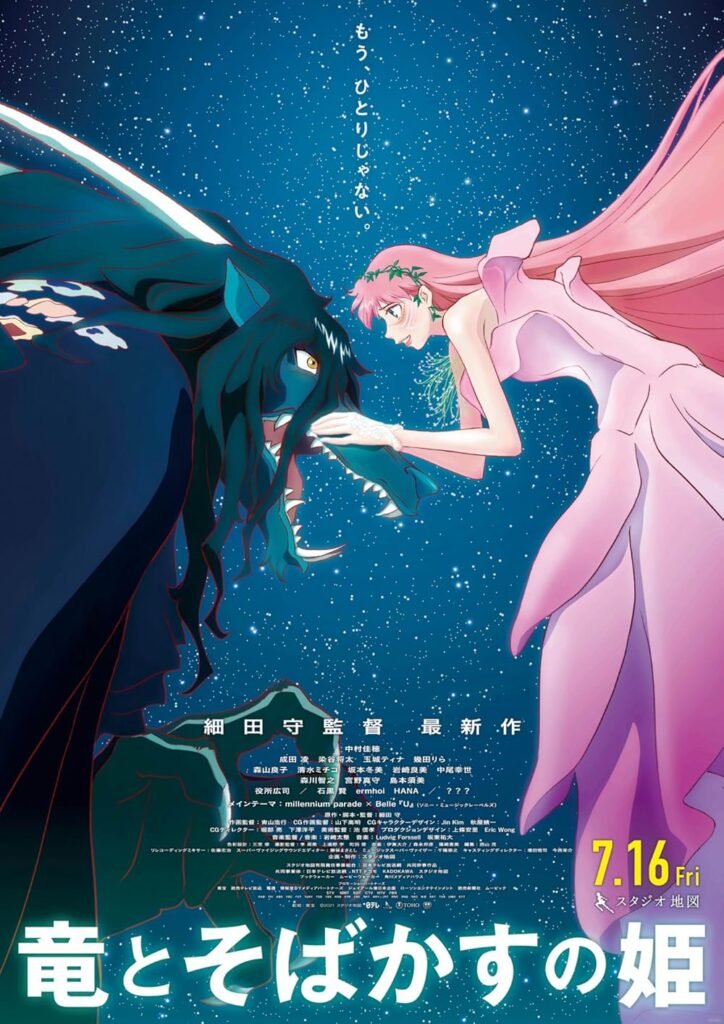
Belle is not about artificial idols. It is about mediated identity.
Years later, Belle returned to the same idea from a more intimate angle.
In the real world, the protagonist is withdrawn and unable to express herself. Inside a virtual space, she becomes Belle, a singer whose voice reaches millions. The virtual identity does not erase the person behind it. It gives her room to exist.
The film understands something simple and deeply human. Sometimes a constructed identity is not a disguise. It is a shelter. Belle sings more truthfully because the distance allows her to speak without fear.
That same emotional mechanism is at work in modern virtual performers. The character does not replace the person. It gives them a way to be heard.
Gorillaz and the Power of a Container
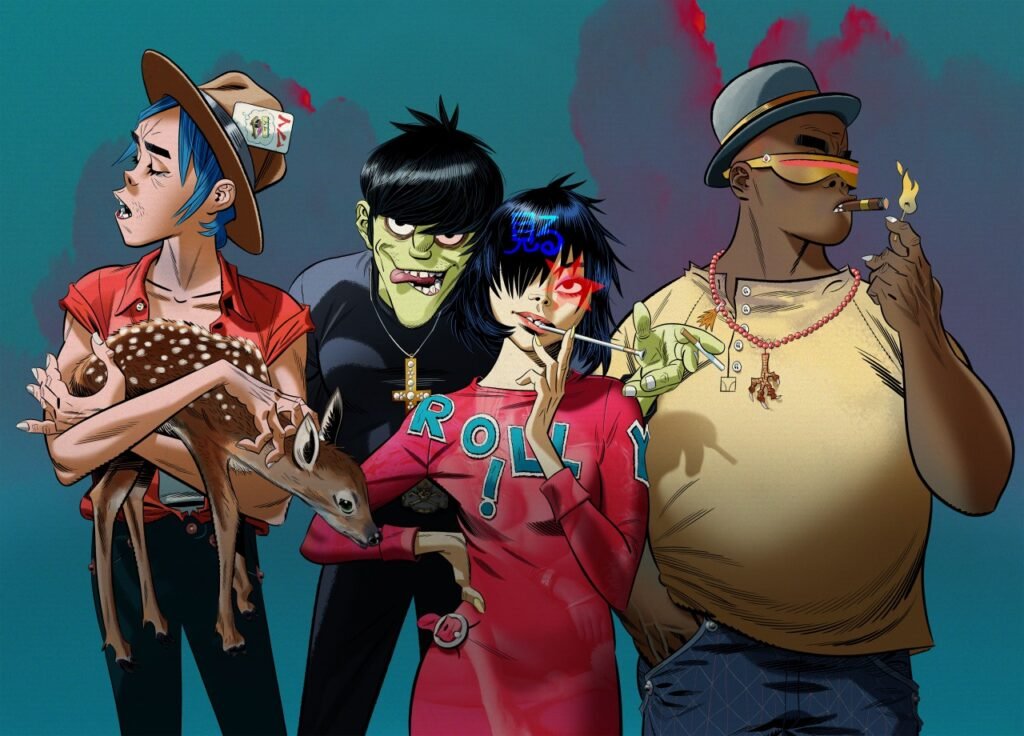
When Gorillaz emerged, they introduced a model that Western pop culture had not fully embraced before.
They treated the band itself as a fictional container.
The members were characters. The visuals were animated. The world was clearly defined. The music lived inside that world and benefited from it. Songwriting remained strong. Collaboration remained intentional. The fiction did not distract from the music. It framed it.
Gorillaz succeeded because everything aligned. Sound, visuals, tone, and identity moved together. The characters were not a trick. They were a doorway. You were not meant to analyze who was real. You were meant to step inside the atmosphere and stay there.
Hatsune Miku and Shared Ownership
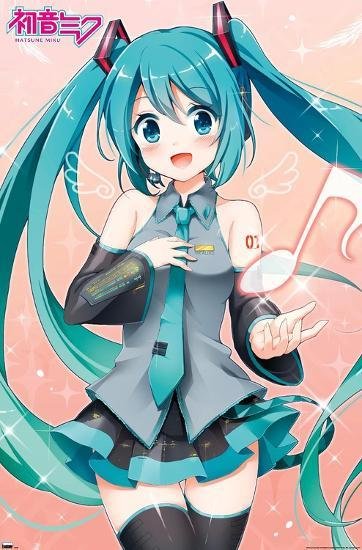
With Hatsune Miku, the idea evolved again.
Miku is not defined by a single story or creator. She functions as a shared cultural space. Thousands of people write songs for her. Thousands more project meaning onto her voice. She exists through collective participation.
Hatsune Miku proved that a virtual singer does not need a fixed identity to endure. She needs emotional continuity. She belongs to no one and to everyone at the same time. That openness is what allows her to last.
K-Pop Demon Hunters and Crossing the Boundary
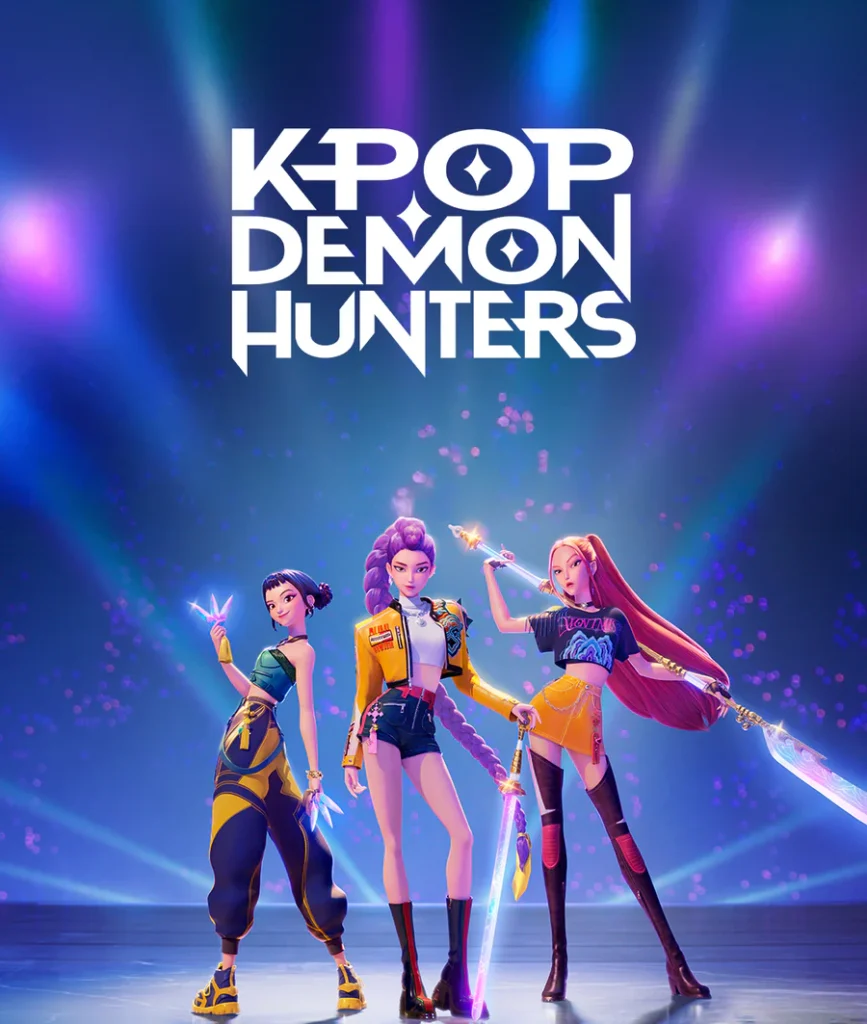
K-Pop Demon Hunters represents a more recent evolution of the same idea.
The project began as fiction. Characters were introduced inside a narrative universe with a defined aesthetic and emotional tone. When the music moved beyond the screen, it carried that identity with it.
The audience did not meet the band through promotion. They met them through story. The music felt grounded because the world already existed. It worked because the project was designed as a universe first and a release second.
What Ties These Projects Together
Across decades and formats, these projects succeed for the same reason. Identity is intentional. The world comes before the rollout. Emotion remains central. Technology serves the idea rather than leading it.
The tools change. The structure stays familiar.
Where DangerGirlx Lives
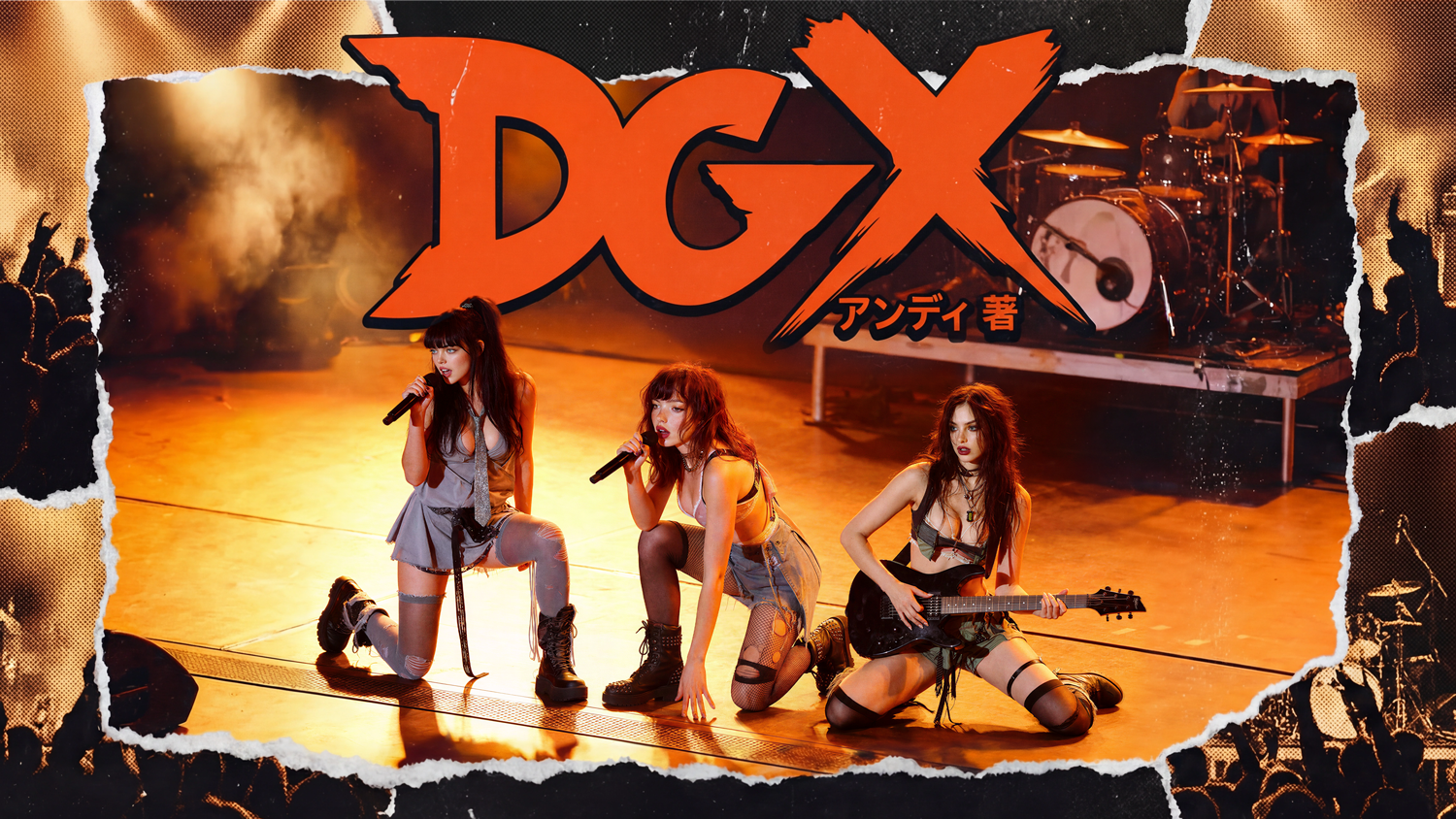
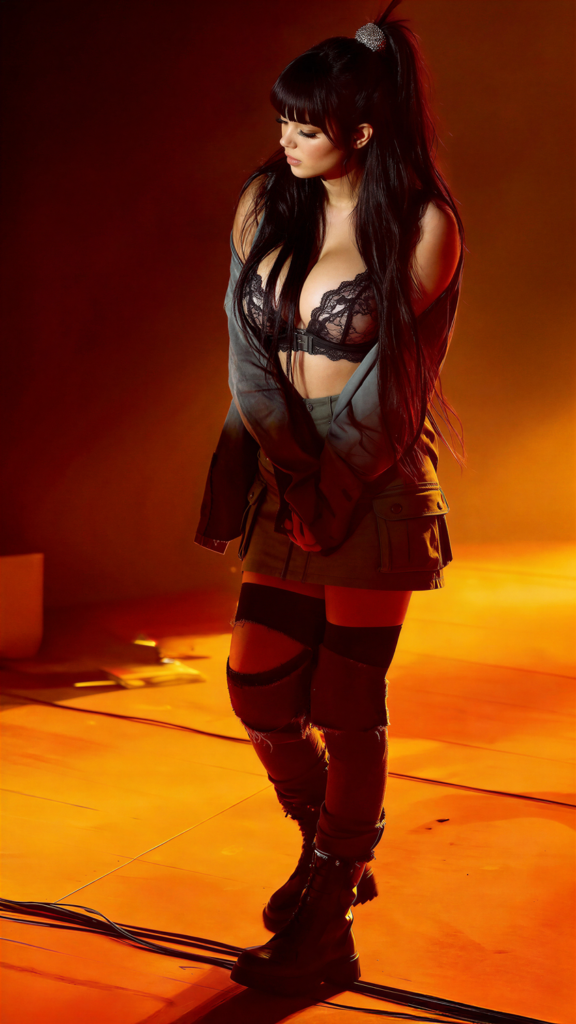
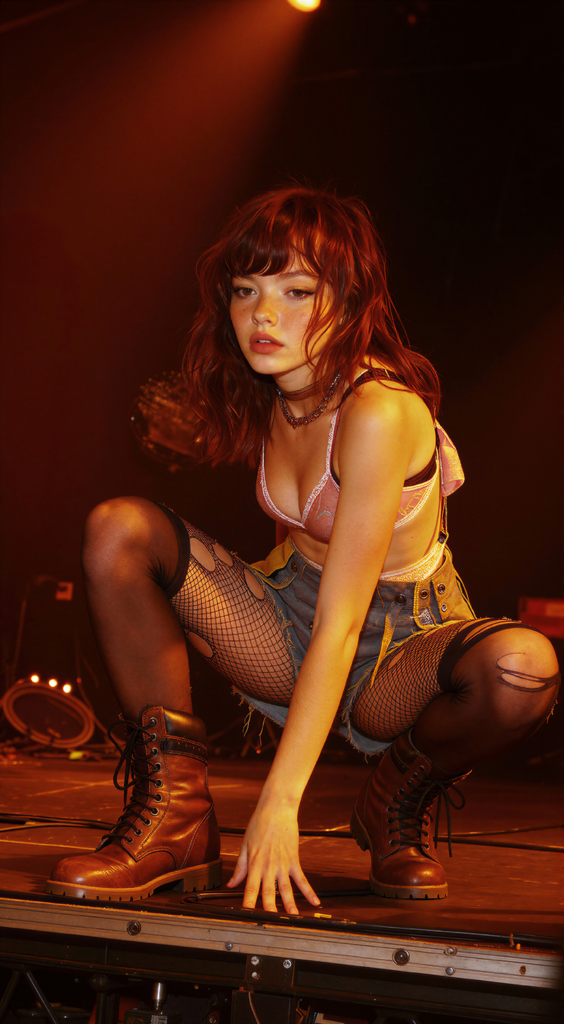
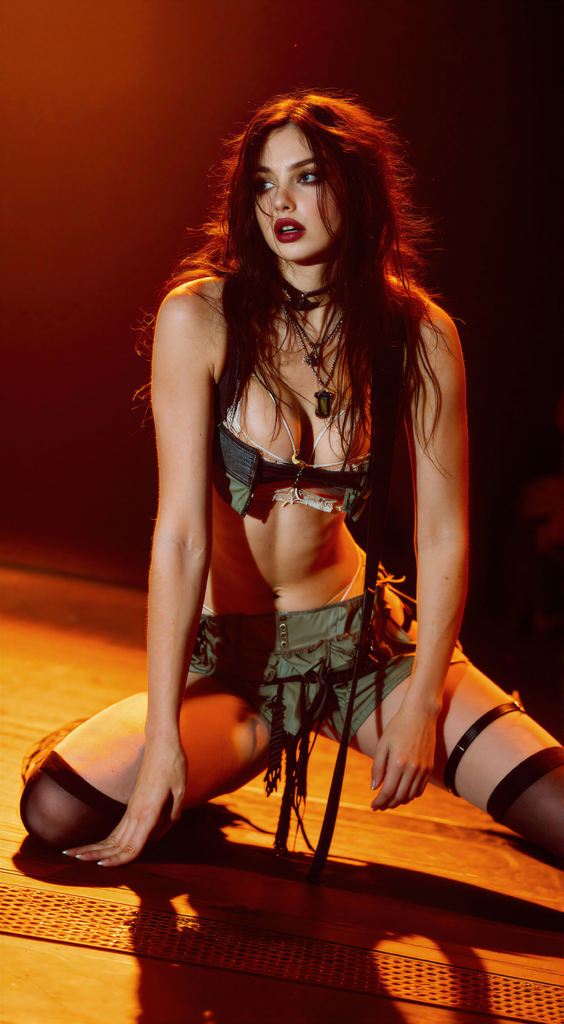
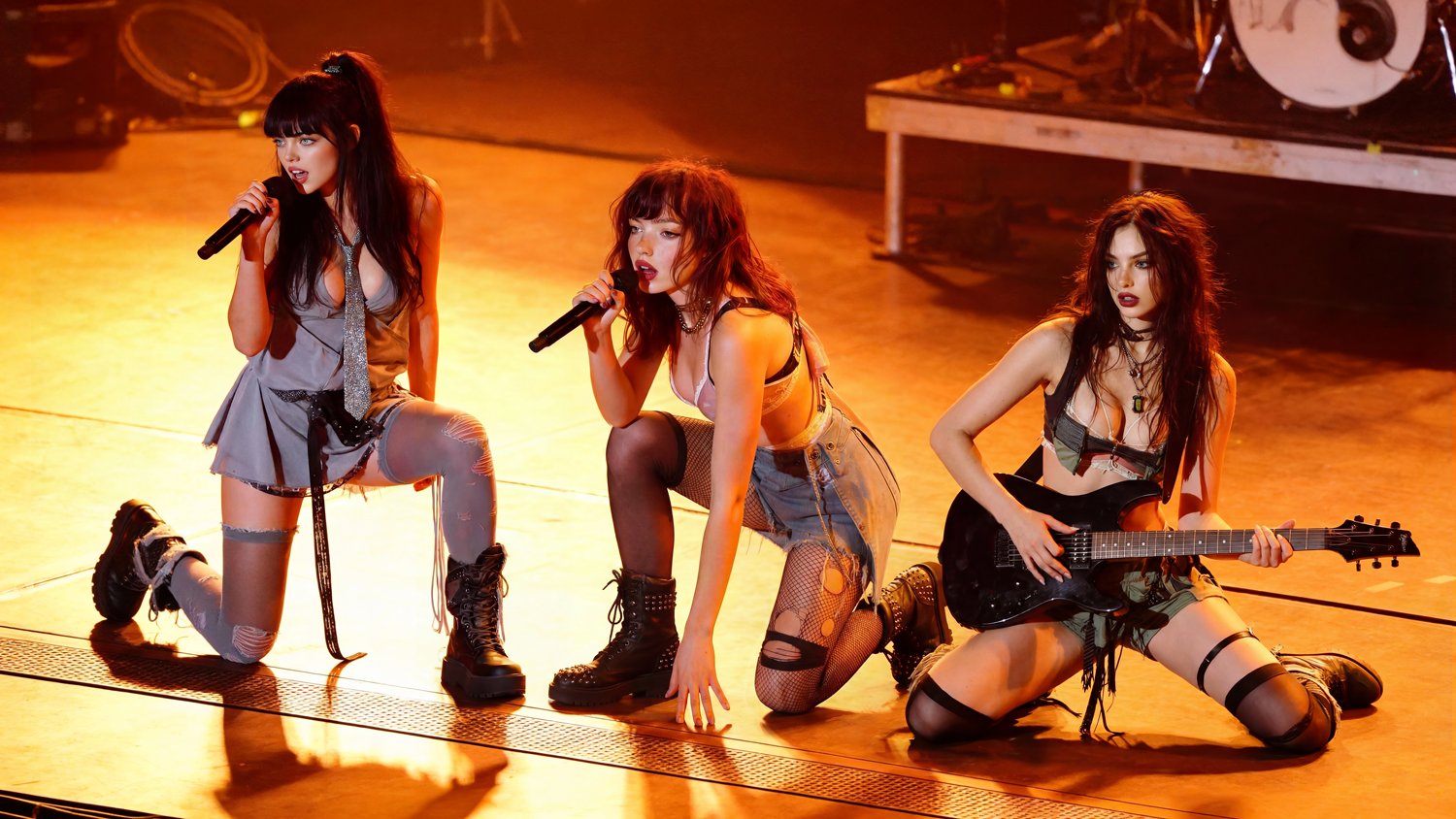
DangerGirlx belongs to this lineage.
It is not simulating a band or hiding behind characters. It is using modern tools to do what once required studios, teams, and impossible budgets. It builds atmosphere through sound. It lets characters carry emotional weight. It allows music to exist beyond performance and into mood, image, and story.
This is not a disruption. It is a continuation.
Why This Will Keep Growing
As virtual influencers become commonplace and mediated identities feel less strange, this way of creating will feel natural. It offers another way to exist creatively for people who never fit into traditional formats.
DangerGirlx is not predicting a future.
It is participating in a conversation that began decades ago.
The only real difference now is that the door is open and we hope everyone visits the City of Dolls.
test