
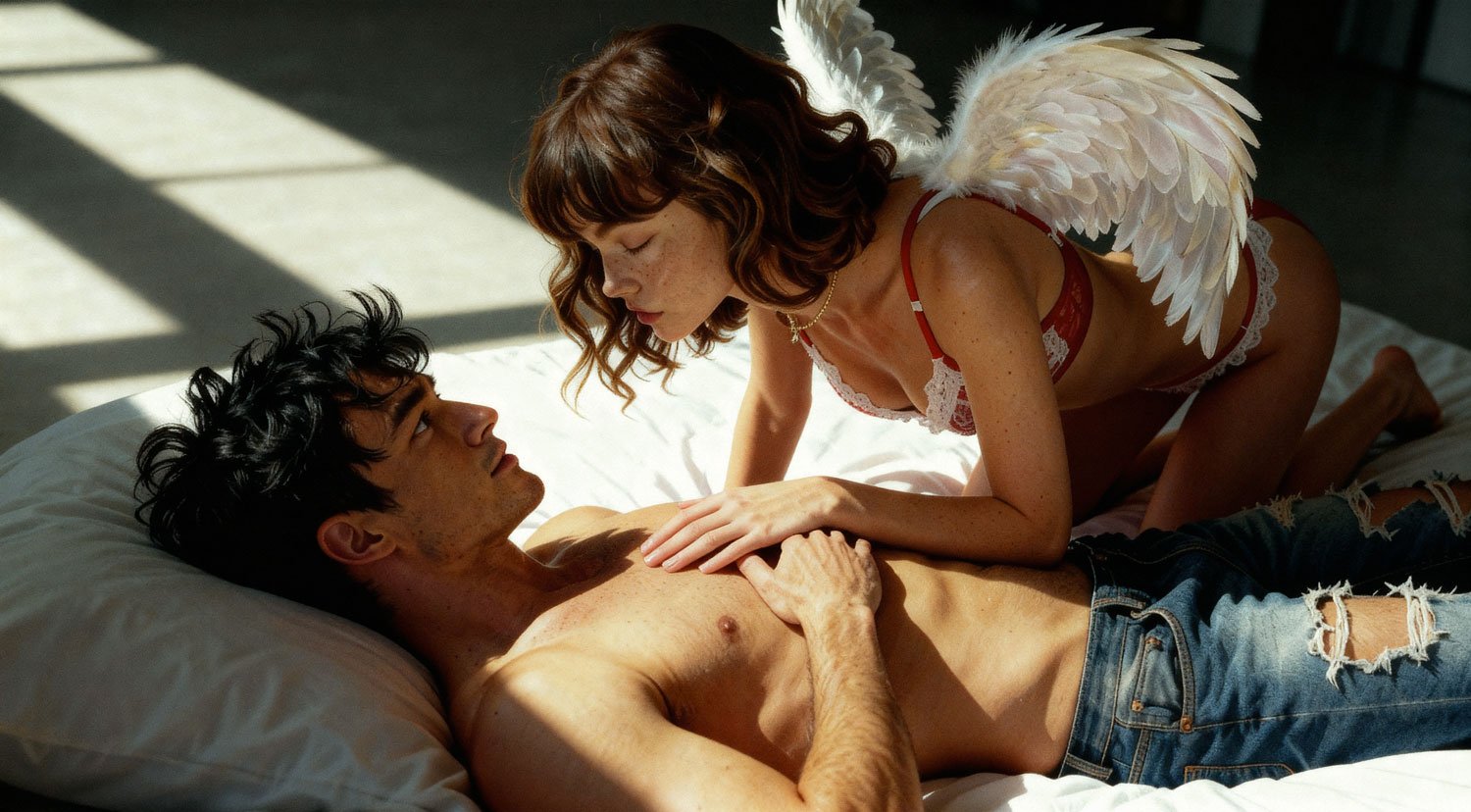
Debut songs often act as an artist’s handshake with the world, a first impression wrapped in sound. For Theo Se-Han, “When the Devil Needs to Party” is more than a handshake—it is a declaration of identity, desire, and rebellion. The track slips between seduction and self-awareness, mixing nightlife fantasy with the kind of emotional honesty that hides beneath neon lights. On the surface, it sounds like a provocative night out gone off the rails. But beneath the playful chaos, the song explores temptation, personal liberation, the search for belonging, and the dizzying gravity of people who overpower our world.
This is a breakdown of its deeper meaning—line by line, theme by theme—beyond the lyrics on paper.
The Devil as a Metaphor for Desire
The opening line—“When the devil needs to party, he calls all his angels in”—immediately sets the tone. Theo isn’t using the devil in a religious sense; he’s using it as a symbol for the darker, more impulsive parts of human nature. The “devil” represents the instinctual voice inside you that wants to let go of restraint. The part that wants to feel alive, even if it means stepping into chaos.
Calling “all his angels in” flips expectations. Instead of evil beings, he calls angels—meaning even purity joins the chaos when desire rises. It’s a clever way to highlight contradiction: good and bad, innocence and danger, desire and consequence all blending together.
This interplay defines the entire song.
The Girls Aren’t Just Girls — They’re Archetypes
When Theo sings “my good girl gettin’ naughty,” he isn’t just talking about one person. He’s describing a transformation—one that many people experience in nightlife spaces, relationships, or moments where inhibitions dissolve. The “good girl” archetype isn’t really about morality; it’s about expectation.
He’s fascinated by the moment someone breaks out of the identity the world gave them.
The “dangerous girls” he repeats in the chorus are the embodiment of that energy. They’re magnetic, unpredictable, and carry a kind of power that feels intoxicating. They don’t merely join his world—they take over it.
The song isn’t judging them. It’s surrendering to them.
Temptation as a Celebration, Not a Warning
In many songs, temptation is framed as something to avoid. Here, it’s the opposite. The song treats temptation as a shared experience—something fun, something thrilling, something that brings people together.
Lines like:
“If this is a crime, then I’m an accomplice.”
“Do your worst, I’m beggin’ you not to.”
are intentionally playful. They hint at disobedience, rebellion, and thrill, but nothing malicious. The song isn’t about corruption—it’s about willingly stepping out of the ‘rules’ that were placed on him growing up.
There’s a sense of someone finally doing what they always wanted but never allowed themselves to do.
The Song Is About Freedom Through Chaos
A core theme running through the lyrics is liberation.
When Theo sings:
“This ain’t even my final form.”
It’s humorous, but it also signals transformation. She’s not just a “dangerous girl”—she’s someone who refuses to be boxed into one identity. Her “final form” is always shifting. Always evolving. Always pushing boundaries.
For Theo, these girls represent the freedom he craves.
They are the ones who:
- break the rules
- push him into new experiences
- expand his world
- awaken sides of him he normally suppresses
They are catalysts. They represent a path toward a more authentic, more unapologetic self.
A Commentary on Youth, Rebellion, and the Nights That Shape Us
Even without naming an age, the song captures the feeling of being young: the limitless nights, the reckless choices, the belief that the world can be rewritten with the right combination of people and adrenaline.
The line:
“This is somethin’ my parents said not to.”
isn’t just about mischief—it’s about crossing the threshold into adulthood. The moment where you recognize the world your parents warned you about… and choose it anyway.
It’s a coming-of-age moment disguised as a party anthem.
The Emotional Core: Loneliness Hidden Behind Noise
Beneath the fun, there’s a deeper emotional thread:
Theo isn’t just partying—he’s finding connection.
When he asks:
“Is there room for four?”
it isn’t just a provocative line. It’s a moment of hesitation, uncertainty, vulnerability. He’s stepping into something foreign to him. Something he hasn’t “done before.” Something exciting, unfamiliar, and slightly overwhelming.
But he still steps in.
The dangerous girls fill a void. They represent acceptance—messy, chaotic, imperfect acceptance, but acceptance nonetheless. They welcome him into their world instantly. No judgment. No hesitation.
For someone who’s been on the outside, that kind of invitation feels intoxicating.
The Song Is a Mirror
Beyond the narrative, “When the Devil Needs to Party” is a mirror for the listener. Everyone has:
- a version of themselves they hide
- desires they suppress
- parts of their identity they only let out at night
- moments when they want to be taken somewhere they’ve never been before
The song resonates because it taps into that universal experience—stepping out of your shell, letting someone else lead you into chaos, and discovering that the parts of you that feel dangerous may actually be parts of you that need to be free.
A Debut That Reveals Who Theo Se-Han Really Is
Debuts matter. They show what an artist cares about—what they want to say first before anything else.
Theo chose a story about temptation, rebellion, connection, and transformation.
He chose a song that introduces him not as a perfect hero but as someone in the middle of discovering himself. Someone messy. Someone curious. Someone open to being overwhelmed by the people who electrify his world.
The dangerous girls aren’t villains—they’re the muses.
They shape him.
They challenge him.
They take over his world.
And he lets them.
0 Comments