
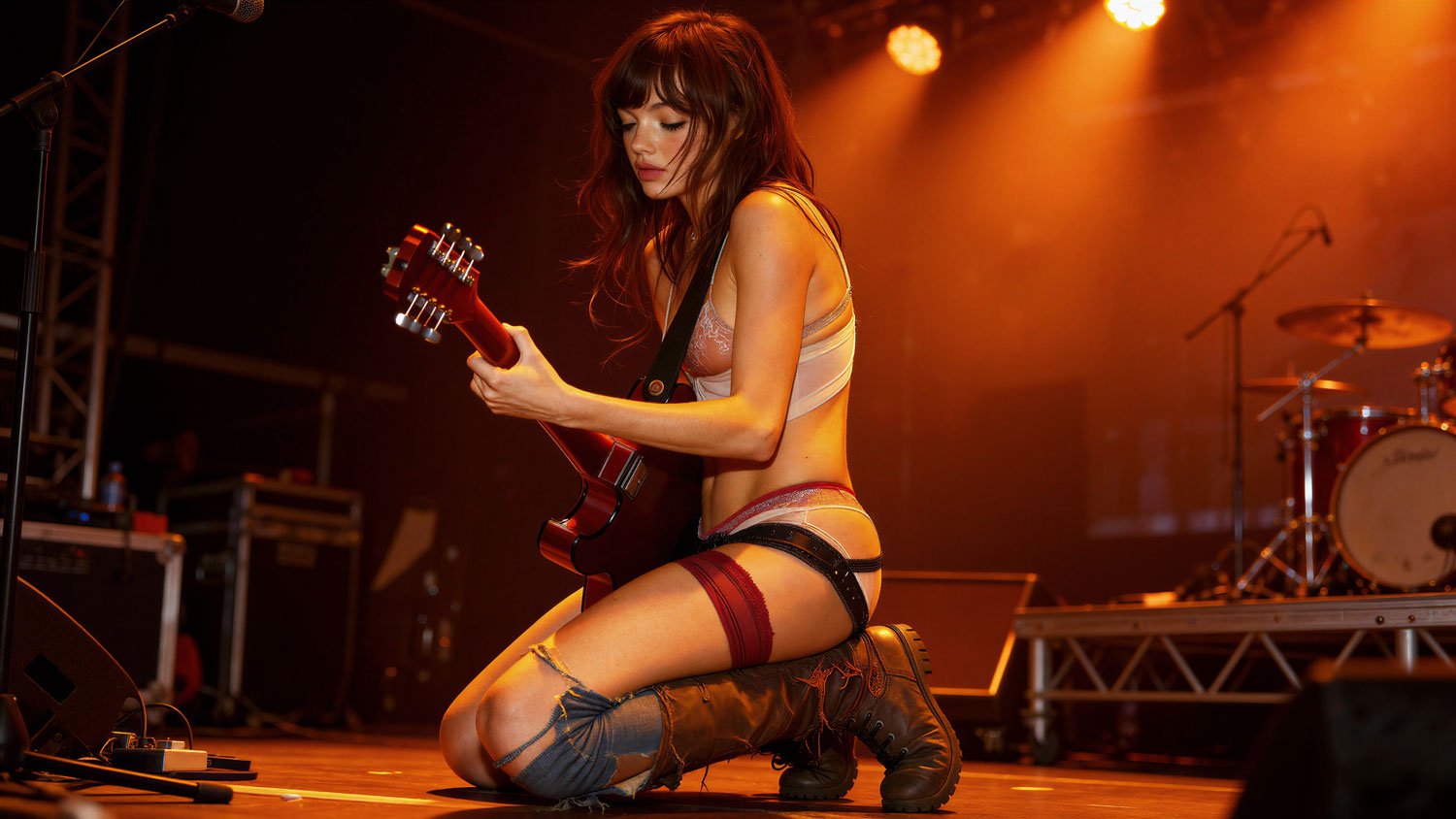

Music As a World | City of Dolls
The first time it clicked, it was not during a big moment.
It was late. A song played longer than expected, or maybe it just felt that way. The room did not change, but something else did. The music stopped behaving like a background and started feeling like a location. Not a metaphor, not a mood, but a place you had been before and somehow recognized again.
That is when music as a world stopped sounding like an idea and started feeling like truth.
Stories usually explain places. Music usually decorates them. But sometimes the feeling arrives before the explanation. Sometimes the environment forms before the narrative catches up. When that happens, songs stop standing on their own. They begin to connect to moments, people, and spaces that feel continuous, even when no one tells you how they fit together.
City of Dolls was born in that space, where music did not just accompany a story, but quietly became the city itself.
How Music Built Cities When Stories Were Not Enough
Most worlds begin with stories.
Books explain them. Films introduce them. Characters walk you through rules, histories, conflicts. Music usually arrives later, supporting the emotion, controlling the mood, filling the space between scenes.
That is how it works in most mediums.
Films rely on scores to heighten tension or romance, but the music is rarely the world itself. Even iconic soundtracks are designed to serve something already visible. Unless a film is explicitly built around a song or album, the music remains secondary. It makes it much better, but it does not define the city, the culture, or the identity on its own.
For us, that order never made sense.
The story was there, but it was not enough by itself. Not because it was weak, but because the feeling came first. The environment came first. The emotional weight of a place arrived before the story could fully articulate it. Music became the only way to build what words could not yet hold.
That is where music as a world began.

Where the City Came Before the Script
City of Dolls did not start as a plot. It started as a place that felt dangerous, intimate, and unresolved. A city people lived in before they understood it. A place you survive that entices you with desire, and damage rather than clear arcs or heroic paths.
The songs followed that logic.
Each track connects to something specific inside the city. A character at a particular point in their life. A moment that already happened or one that has not fully played out yet. A phrase that belongs to a night that changed everything. A room, a street, a situation that does not need to be named to be understood.
The music carries those connections forward. It allows different stories to exist at once without competing for attention. Over time, the songs begin to map the city emotionally. You start to recognize where you are based on how it sounds.
That is how the city was built. Not with exposition, but with accumulation.
Why Stories Alone Were Not Enough
Stories tend to demand clarity. They ask for beginnings, motivations, conclusions. Cities do not work that way.
Cities are layered. They contradict themselves. People move through the same streets with entirely different experiences. Some stories overlap. Others never meet but still affect each other indirectly.
DangerCity earned its name because of that reality. It is not the city’s official name, just the one people use when they understand how it actually works. A nickname given by reputation, shared trauma, and unspoken language. The danger is not a single event. It is the environment itself.
City of Dolls exists inside that larger city as a subculture, not a separate fantasy. The term “Dolls” is loaded. It is used casually, sometimes cruelly, sometimes with desire, often without care. It reduces people to objects, yet within the world, it also becomes something reclaimed, stylized, and complicated.
Music was the only way to hold all of that without flattening it.

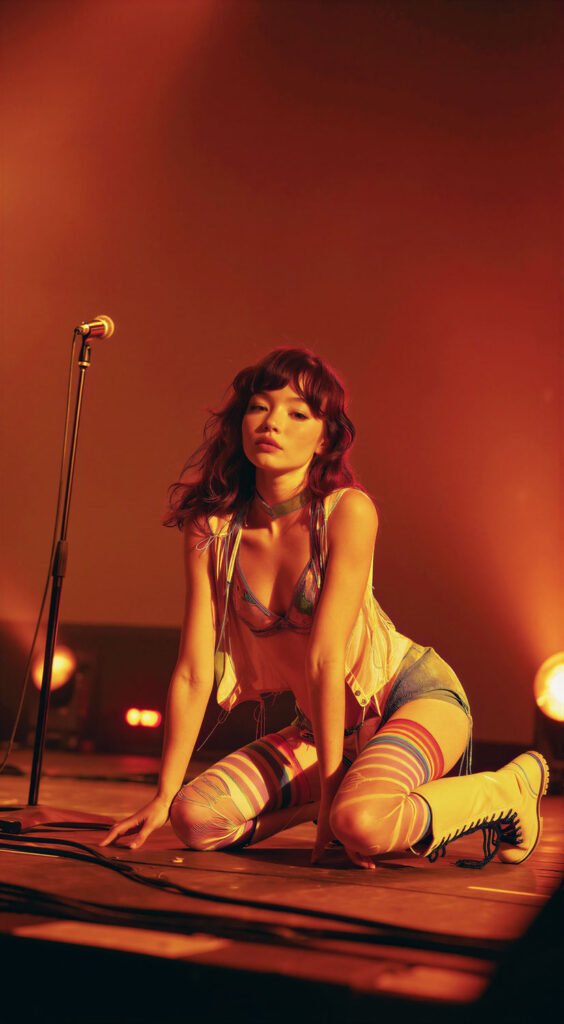

When Songs Start Carrying Place, Not Just Meaning
Each song does more than express emotion. It belongs to someone, somewhere, and sometime within the city. Some tracks feel like they exist before something goes wrong. Others live all in the aftermath. A few sit in the space where no resolution ever arrives.
The connections are intentional, even when they are not obvious. A song might make more sense after another one exists. A lyric might gain weight months later when a different story surfaces. Over time, listeners begin to sense continuity rather than linear explanation.
That continuity is what turns music into infrastructure.
Instead of a soundtrack supporting a world, the music becomes the city’s architecture. Stories move through it rather than the other way around.
Why This Is Not How Most Music Worlds Work
In most projects, music supports a brand, a narrative, or a visual identity. Even concept albums usually resolve themselves within the album. Once the story ends, the world collapses back into songs.
City of Dolls does not resolve that way.
The songs are written with the assumption that the city continues whether you are listening or not. New stories attach to old ones. Characters pass through shared spaces without being aware of each other. The city holds everything simultaneously.
This is about acknowledging that some worlds are too dense to be explained first. They need to be lived in emotionally before they can be understood narratively.
A City Built From Sound
Music built this city because it had to.
The feeling arrived before the structure. The environment demanded expression before the story could fully speak. Songs became places. Places became connective tissue. Over time, a city formed that listeners could enter without being told where to go.
That is the difference.
City of Dolls is not asking you to follow a plot. It is inviting you to inhabit a space. To recognize moments, characters, and moods as they surface. To feel the weight of a place that is beautiful, dangerous, and alive in ways that cannot be summarized cleanly.
When stories were not enough, music built the city anyway.
And it is still being built.
0 Comments